The Hanging Gardens of Babylon remain one of the most fascinating and mysterious achievements of the ancient world. Celebrated as one of the 7 Wonders of the Ancient World, the gardens have inspired centuries of imagination, art, and historical debate. From questions about who built the Hanging Gardens of Babylon to whether real Hanging Gardens of Babylon images exist today, this wonder continues to intrigue historians and travelers alike.
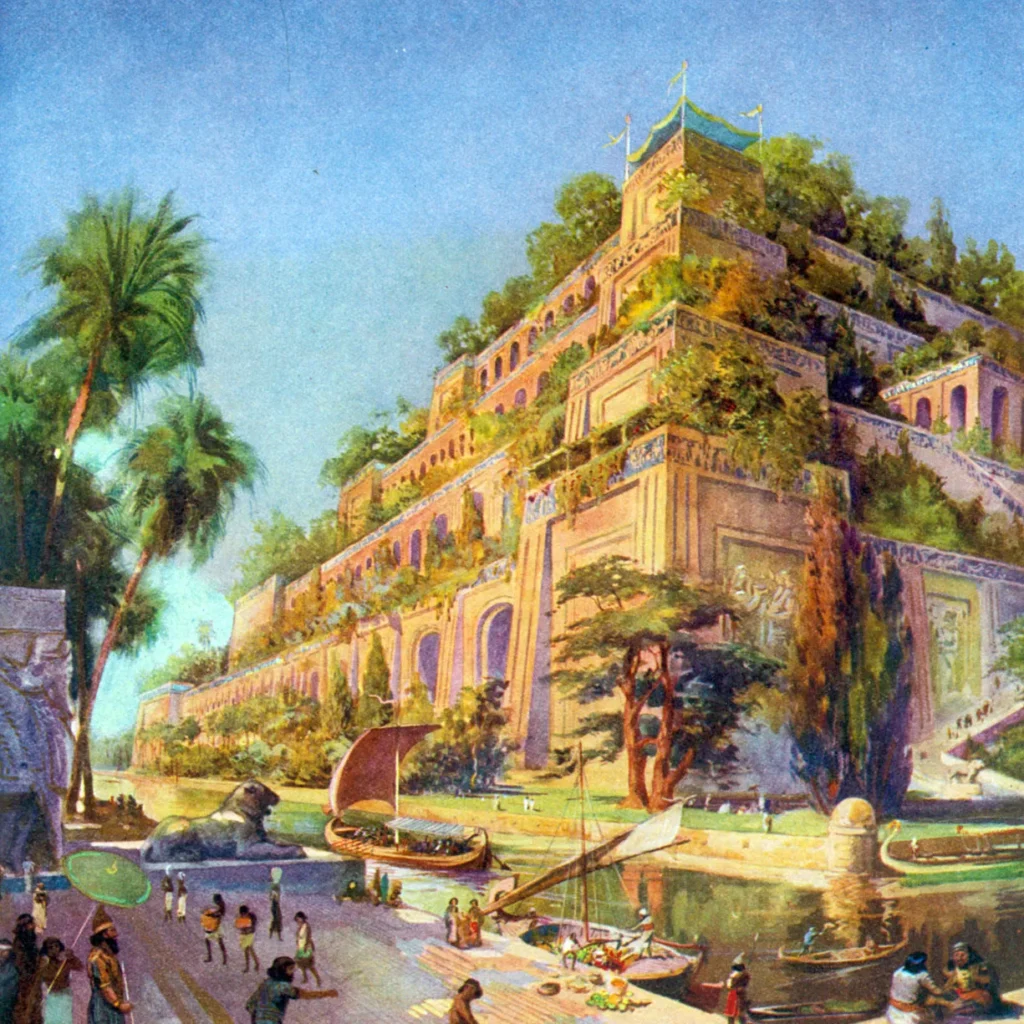
About the Hanging Gardens of Babylon
The Hanging Gardens of Babylon were described by ancient writers as a magnificent series of terraced gardens overflowing with trees, flowers, and flowing water. Unlike ordinary gardens, they were said to “hang” in the air, supported by stone terraces rising above the city.
Ancient descriptions suggest an architectural marvel: vaulted terraces, advanced irrigation systems, and lush vegetation thriving in an otherwise dry region. These accounts secured the gardens a permanent place among the Seven Wonders of the Ancient World.
Hanging Gardens of Babylon History
The hanging garden history is rooted in classical Greek and Roman writings rather than direct archaeological evidence. Historians such as Strabo and Diodorus Siculus described the gardens in vivid detail, though none claimed to have seen them personally.
According to tradition, the gardens were built around the 6th century BCE during the Neo-Babylonian Empire. They symbolized power, wealth, and humanity’s ability to reshape nature itself.
Who Built the Hanging Gardens of Babylon?
One of the most common questions is who built the Hanging Gardens of Babylon. Ancient sources widely attribute their construction to Nebuchadnezzar II, the most powerful king of Babylon.
It is believed that Nebuchadnezzar II built the Hanging Gardens for his wife, Queen Amytis, who longed for the green hills and valleys of her homeland. To ease her homesickness, the king ordered the creation of an artificial mountain filled with lush vegetation.
Thus, when people ask “the Hanging Gardens of Babylon was built by whom?”, Nebuchadnezzar II remains the most accepted answer—though this is still debated among scholars.
Mesopotamia and the Hanging Gardens of Babylon
The gardens were said to be located in ancient Mesopotamia, the fertile land between the Tigris and Euphrates rivers. Mesopotamia is often called the “cradle of civilization,” and the Mesopotamia Hanging Gardens of Babylon would have represented the peak of its engineering brilliance.
Advanced irrigation systems were allegedly used to lift water from the Euphrates River up to the highest terraces—an astonishing technological feat for its time.
Where Are the Hanging Gardens of Babylon Located?
Another major question is where are the Hanging Gardens of Babylon today?
Historically, Babylon was located near modern-day Hillah in Iraq. Therefore, the Hanging Gardens of Babylon location is traditionally placed in present-day Iraq.
- Hanging Gardens of Babylon in which country? → Iraq
- The Hanging Gardens of Babylon Iraq connection is firmly established through ancient geography.
However, no definitive ruins have been identified that can be conclusively labeled as the gardens.
Hanging Gardens of Babylon Ruins: Do They Exist?

4
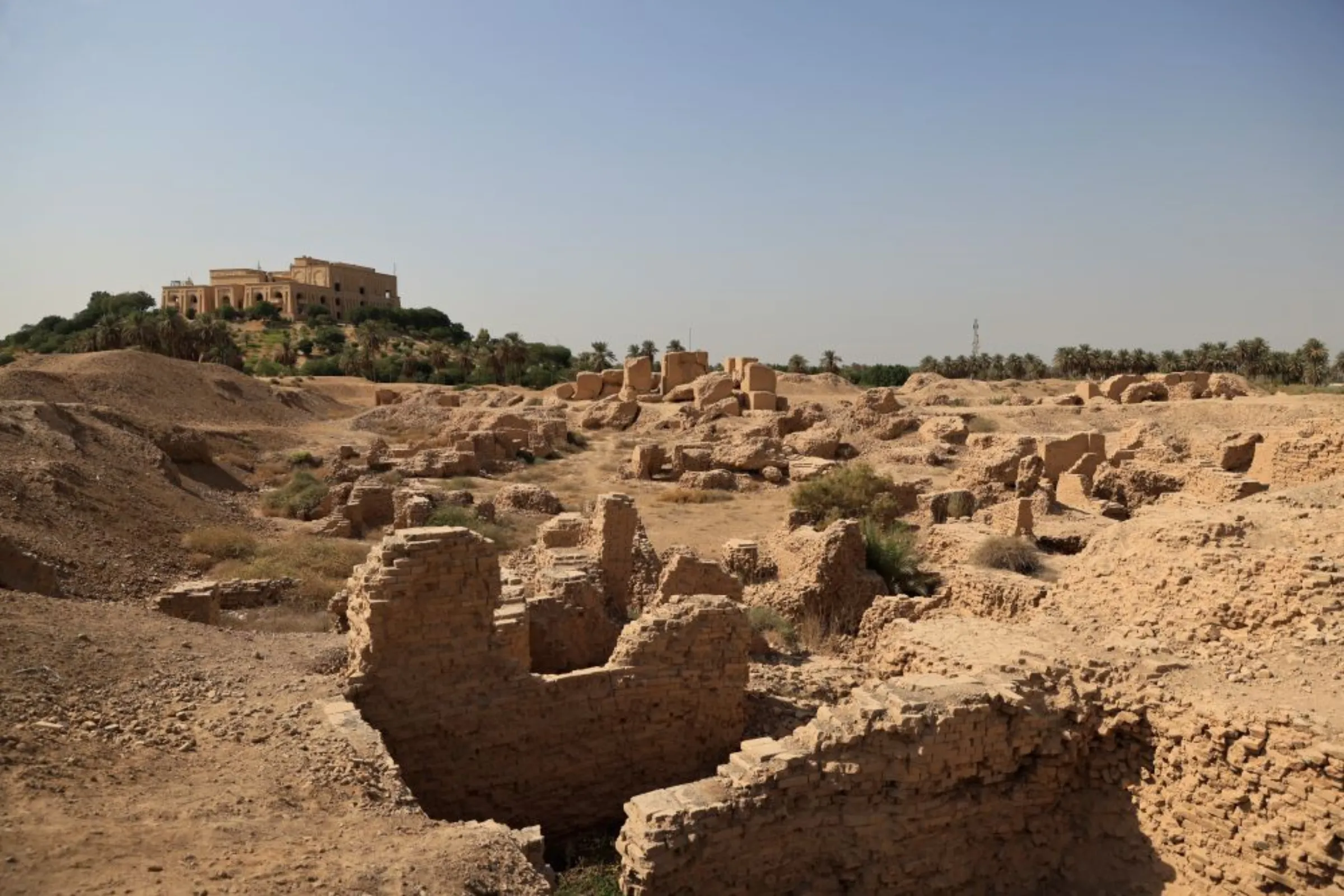
Despite extensive excavations, Hanging Gardens of Babylon ruins have never been conclusively discovered. This has led to ongoing debate:
- Some scholars believe the gardens were destroyed by earthquakes.
- Others suggest they never existed in Babylon at all.
- A competing theory places the gardens in Nineveh, built by an Assyrian king.
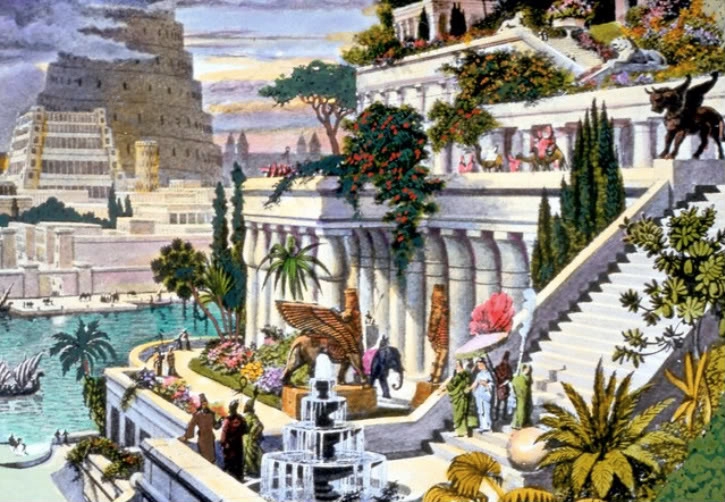
Because of this uncertainty, there are no real Hanging Gardens of Babylon photos or real Hanging Gardens of Babylon images—only artistic reconstructions based on ancient texts.
Hanging Gardens of Babylon Images and Pictures

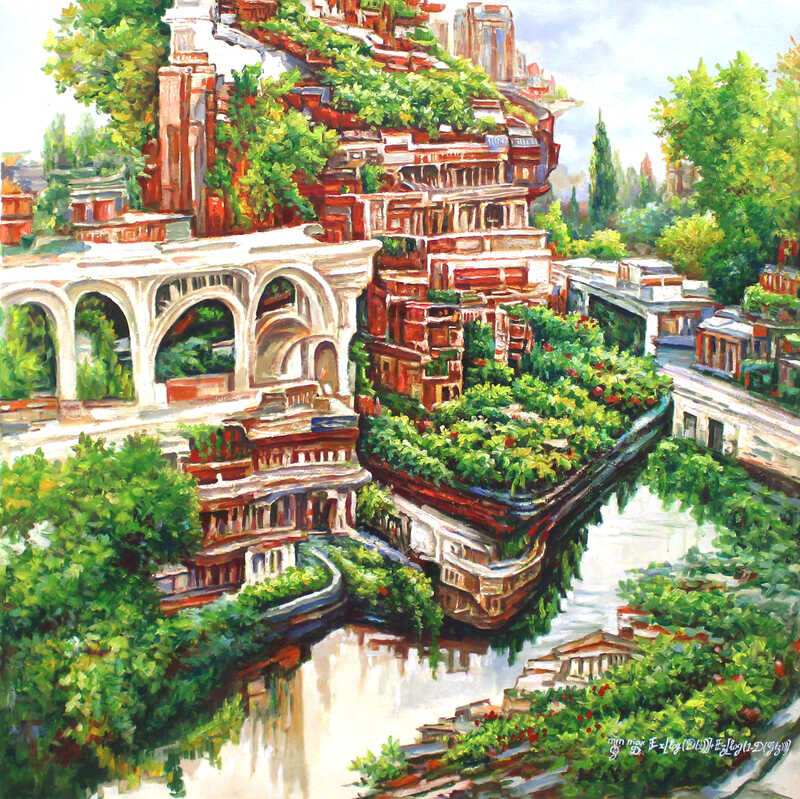
When people search for Hanging Gardens of Babylon images, pictures, or photos, what they find are imaginative interpretations rather than authentic photographs. Since photography did not exist in antiquity and no physical remains are confirmed, all visuals are reconstructions created by artists and historians.
So:
- Hanging Gardens of Babylon real images → Do not exist
- Hanging Gardens of Babylon pictures → Artistic and educational renderings
The Hanging Gardens of Babylon Today
What about the real today Hanging Gardens of Babylon or Hanging Gardens of Babylon now?
Sadly, there is no standing structure that can be visited and identified as the gardens. The site of ancient Babylon is an archaeological area with ruins of walls, temples, and palaces, but not the gardens themselves.
Thus:
- Hanging Gardens of Babylon today → Exist only in historical accounts and imagination
- Hanging Gardens of Babylon now → A legendary wonder rather than a visible monument
Hanging Gardens of Babylon and the 7 Wonders of the World
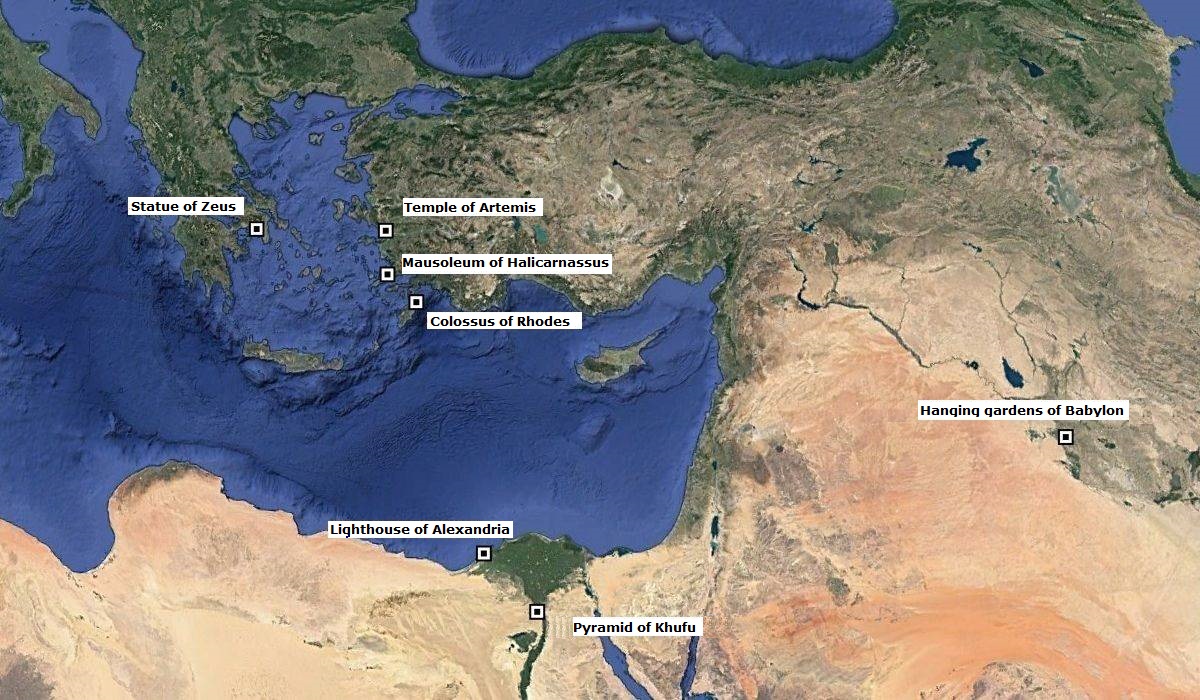
4
The 7 Wonders of the World Hanging Gardens of Babylon listing immortalized the gardens alongside marvels like the Great Pyramid of Giza and the Statue of Zeus at Olympia.
Known variously as:
- 7 Wonders of the World Hanging Gardens
- Hanging Gardens of Babylon 7 Wonders of the World
- Hanging Gardens of Babylon Seven Wonders
They remain the only wonder whose existence is still seriously questioned by modern historians.
Conclusion: Legend, History, and Lasting Fascination
The Hanging Gardens of Babylon stand at the intersection of myth and history. Whether built by Nebuchadnezzar II, located in Babylon, Iraq, or perhaps somewhere else in Mesopotamia, their story reflects humanity’s desire to create beauty against nature’s limits.